

Danish researcher pleads guilty to stealing $1M in CDC grant money
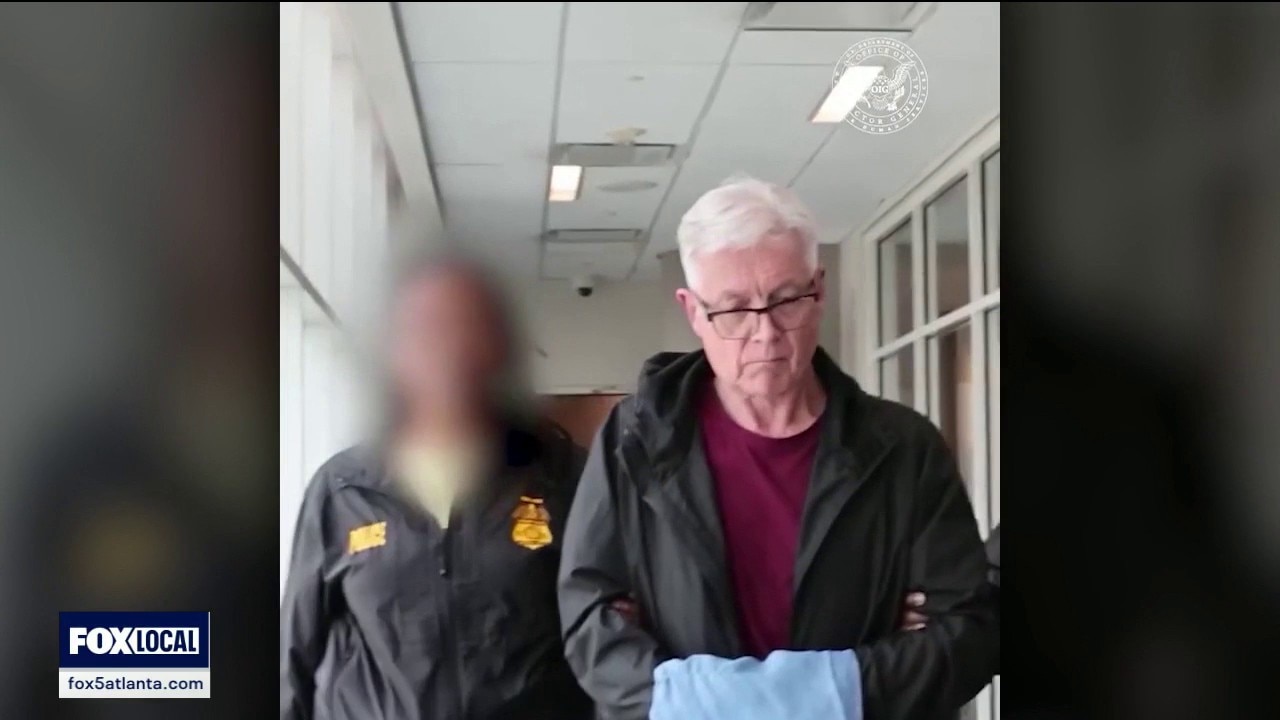
Former CDC scientist pleads guilty in grant theft scheme
A former CDC visiting scientist pleaded guilty to wire fraud after stealing over $1 million in autism research grants to purchase a Druid Hills home.
ATLANTA - A Danish autism researcher who evaded federal law enforcement for more than 14 years pleaded guilty Tuesday to stealing over $1 million in CDC grant money, federal prosecutors announced.
CDC grant fraud scheme
What we know:
In the early 2000s, the CDC awarded over $11 million in grants to two Danish institutions to study the relationship between autism and vaccines, cerebral palsy and infection during pregnancy, and childhood development and fetal alcohol exposure.
Thorsen became the principal investigator responsible for administering the grant money. Investigators say that is when he pocketed more than a million dollars.
Between February 2004 and June 2008, Thorsen submitted over a dozen fraudulent invoices, forging the signature of a CDC laboratory section chief to trick Aarhus University into transferring funds to personal accounts he controlled.
Investigators say he took out more than 60 cashier's checks, transferred the money to other accounts, and used the funds to buy a five-bedroom, five-bathroom home in the Druid Hills area, pay off credit cards, and purchase vehicles.
Thorsen was indicted in April 2011 and placed on the HHS-Office of Inspector General's Most Wanted list, but remained in Denmark out of reach from federal authorities. German authorities arrested him on June 4, 2025, while he was traveling, and he was extradited to the U.S. on May 7.
RELATED STORY: This is why a Danish autism researcher is facing federal charges in Atlanta
Thorsen, 65, pleaded guilty to wire fraud on Tuesday. He remains in U.S. Marshals Service custody without bail, with sentencing set for Dec. 1.
Federal prosecutors address long wait for justice
What they're saying:
Federal prosecutors condemned Thorsen's actions, noting that he diverted taxpayer dollars meant for crucial medical research into his own pocket.
"Poul Thorsen ran a multi-year fraud scheme to cheat the CDC, diverting valuable federal grant money to service his greed and inflated lifestyle," U.S. Attorney Theodore S. Hertzberg said. "His fraud was especially reprehensible because he stole public funds that had been earmarked for research related to infant disabilities and birth defects."
Assistant U.S. Attorney Steve McClain, who prosecuted the case 15 years ago, emphasized the long wait for justice.
"15 years went by and he stayed in Denmark and we were unable to extradite him. We thought this was one we wouldn't see, but eventually when he did travel to Germany we were able to arrest him," McClain said. "This crime was especially reprehensible because he did in fact steal money that was intended for childhood research for infant disabilities and birth defects. He took out more than 60 cashier's checks, transferred the money to other accounts and stole the money that way. He bought an Audi, a Honda, a Harley-Davidson."
Kelly Blackmon, Special Agent in Charge for U.S. Health and Human Services Office of Inspector General, emphasized that the guilty plea sends a clear message about protecting taxpayer-funded health programs.
"Today’s guilty plea represents an important step toward holding accountable those who steal taxpayer dollars intended to advance critical public health research," she said.
Poul Thorsen sentencing
What we don't know:
It is not yet clear how much time Thorsen could serve when he is sentenced in December.
The Source: Information in this story came from a press release from the U.S. Attorney's Office for the Northern District of Georgia.