

Georgia lawmakers pass election bill mandating hand recounts for some races
Georgia lawmakers delay ballot QR code deadline
Georgia lawmakers have approved major changes to ballot rules just as a critical voting deadline loomed over the state
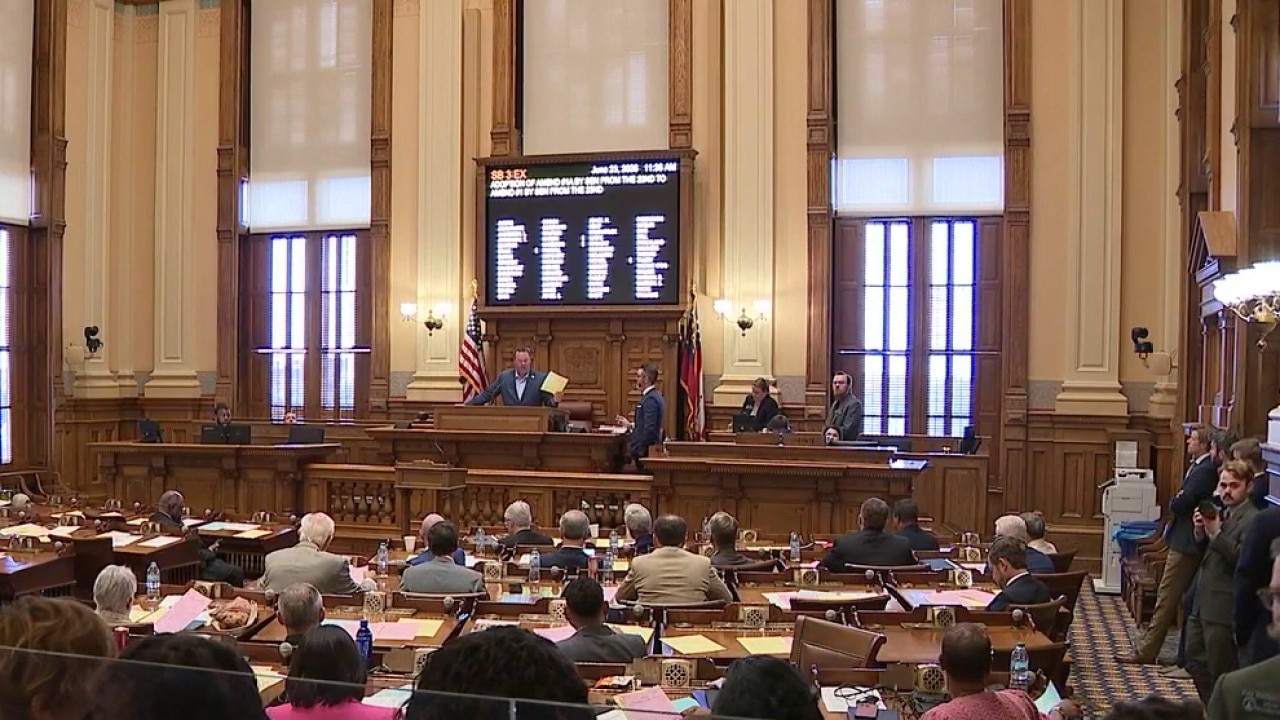
ATLANTA - Georgia lawmakers have given final approval to a controversial elections bill that would require hand recounts in some close statewide races while allowing the state to continue using QR code ballots through 2028.
The Georgia House voted 94-79 on Tuesday to approve Senate Bill 3EX, and a short time later, the Senate voted 36-16 to agree to House changes. It will now be sent to Gov. Brian Kemp for his signature.
The amended bill requires hand recounts in statewide races such as governor, lieutenant governor and other statewide offices when the margin is 0.5% or less. The requirement will not apply to federal races, including presidential elections.
PREVIOUS STORY: Senate approves polarizing election overhaul over Democratic objections
What the bill will do
What we know:
A hand recount will be required when the margin in one of the top two statewide races is 0.5% or less. Election officials will have 17 days to complete the recount.
The bill also pushes back a July 1 deadline that would have ended Georgia's use of QR code ballots. Instead, the state would continue using the current system until January 2028.
PREVIOUS STORY: Banned QR codes force emergency Georgia voting system replacement
In addition, the legislation creates an advisory committee tasked with recommending a new voting system to lawmakers during the 2027 legislative session. The committee would also study the use of hand-marked paper ballots produced through ballot-on-demand printing.
Why lawmakers are debating the issue
What they're saying:
The bill was considered during a special legislative session called in part because lawmakers failed to replace the state's current QR code voting system before the July 1 deadline.
Supporters say the hand recount requirement will improve confidence in election results and provide additional verification in close races. Sen. Max Burns, the bill's sponsor, has said the proposal is designed to strengthen trust in Georgia elections.
While acknowledging the bill is not the ultimate solution, supporters argued it resolves immediate conflicts and lays out a path over the next couple of years to achieve the highest possible election integrity and accuracy.
Opponents, including Democratic lawmakers, election officials and voting rights advocates, argued hand recounts are slower, more expensive and more prone to human error than machine tabulation. Critics also warned the process could delay election certification and create confusion about election results.
They warned that they could be completely shut out of the process because the legislation does not mandate that minority party members be assigned to the committee.
A last-minute amendment proposed by Senate Democrats to force Democratic representation on the panel ultimately failed.
What happens next
What we know:
The bill now awaits Gov. Kemp's decision. If signed, the changes would take effect immediately as Georgia continues to evaluate its long-term voting system.
The final passage of the election bill caps off a highly volatile special session where other major legislative priorities failed to gain traction.
The momentum shifted dramatically on day one when House Speaker Jon Burns put a sudden halt to redistricting.
Despite calls to redraw congressional maps for the 2028 election cycle, Republican leadership completely shelved the issue, choosing to delay the explosive battle for now.
With voting maps off the table, the legislative spotlight shifted to an intense economic fight.
Republicans pushed a sweeping plan to allow local sales tax increases to offset homeowner property taxes.
However, because the tax package required a two-thirds majority, Democrats successfully banded together as a unified blockade, completely killing the GOP-sponsored property tax legislation on the chamber floor.