

Cell phone ban in Georgia schools heads to governor's desk
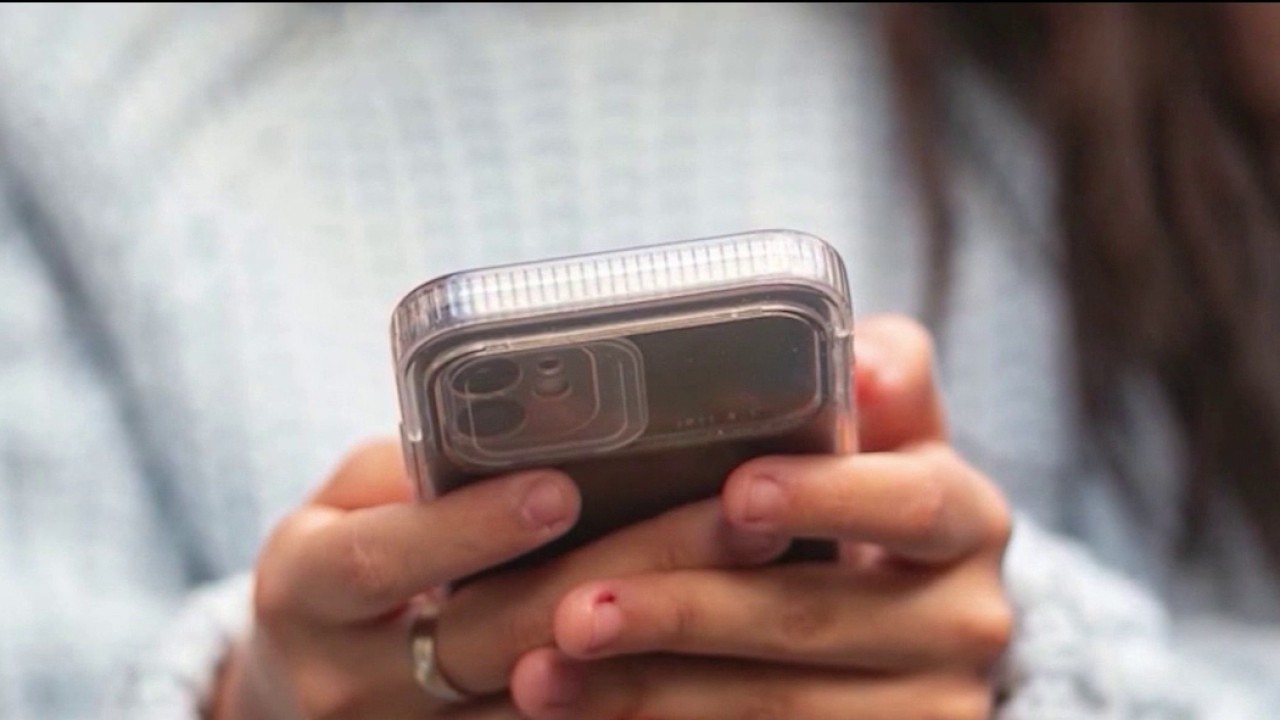
Georgia senate passes high school phone ban
The Georgia Senate moved one step closer to removing mobile devices from public high school classrooms on Monday, passing a bill that would prohibit student access to cellphones from the first bell of the day to the last.
ATLANTA - The Georgia Senate moved one step closer to removing mobile devices from public high school classrooms on Monday, passing a bill that would prohibit student access to cellphones from the first bell of the day to the last.
Georgia Senate Unanimously Passes "Bell-to-Bell" School Cellphone Ban
What we know:
The Georgia Senate moved one step closer to removing mobile devices from public high school classrooms on Monday, passing a bill that would prohibit student access to cellphones from the first bell of the day to the last.
House Bill 1009, which received unanimous support in the chamber, aims to curb what lawmakers describe as a growing crisis of distraction and mental health challenges among the state’s youth.
Proponents of the legislation point to data from school districts that have already implemented similar restrictions, reporting marked increases in student performance and decreases in classroom disruptions.
"This one issue from parents, from teachers, from administrators was 90-plus percent in favor of banning cellphones from bell to bell," said Senator Shawn Stills (R-Roswell).
A "Lifeline" in Times of Crisis
The other side:
Despite the legislative consensus, the bill has sparked a visceral debate regarding student safety.
For Sasha Contreras, a student at Apalachee High School, the memory of the 2024 mass shooting on her campus remains inextricably linked to her device.
"Just having my phone that day, we really needed it," Contreras said. "I was able to, when we were on the way out, call my mom and call my sister."
Community activists, including Laila Contreras, argue that the immediate communication afforded by personal devices is indispensable during school shootings or other life-threatening events.
"The first phone calls to 911 were through student phones," Layla Contreras noted. "So. I feel like this is a big deal, trying to pass. Having that direct line, that lifeline of knowing that your loved one is okay, that's something that we're losing from this bill being passed."
Balancing Mental Health and Monitoring
What they're saying:
During the floor debate, Sen. Rashaun Kemp (D-Atlanta), a former educator, proposed an amendment that would have allowed students to use their phones between classes.
However, the proposal was met with stiff resistance from colleagues who argued that any window of access would create "havoc" and force teachers to spend their time "policing" device usage rather than teaching.
Lawmakers maintained that the benefits to student well-being outweigh the anxieties regarding emergency communication.
Sen. Stills emphasized that even those personally affected by school violence have voiced support for the measure.
"Even a parent who is directly impacted by that horrible, horrible event just a couple of years ago admitted that he recognizes that a cellphone ban is the best thing for our children’s safety," Stills said. "It is the best thing for their mental well-being; it is the best thing for their mental health."
What's next:
The bill now heads to Gov. Brian Kemp's desk for his signature. If enacted, school districts across Georgia will be required to establish "bell-to-bell" restrictive policies, effectively ending the era of the smartphone in the Georgia classroom.
The Source: Information in this article on the passage comes from Deidra Dukes in the field. The information on the bill specifics comes from previous FOX 5 reporting.